First
Last
email@email.com
The Ultimate Guide to Trend Line Trading: Mastering Precision Reversals Without Subjectivity
Strategy
March 31, 2026


Skye
Decoding institutional Liquidity Sweeps
Excerpt
Trend lines are one of the most powerful tools in technical analysis, yet most traders fail due to inconsistent drawing and vague logic. This article breaks down a battle-tested trend line trading system, teaching you how to draw them accurately and master the precise timing to capture trend reversals.
Introduction: Why Your Trend Lines Keep Failing
In the trading world, trend lines are a classic, but the harsh reality is that hardly any two traders draw them identically. This high degree of subjectivity leads to decision fatigue and eventually gives way to inconsistent results. The real question is: Do we truly understand the laws of price structure? Today, we are moving past "artistic" drawing to establish a standardized, rule-based approach to trend line trading.
Step 1: The Standardized Logic of Trend Line Drawing
The purpose of a trend line is not to draw a pretty line, but to outline the "path" of price movement.
• The "Zone" Mentality
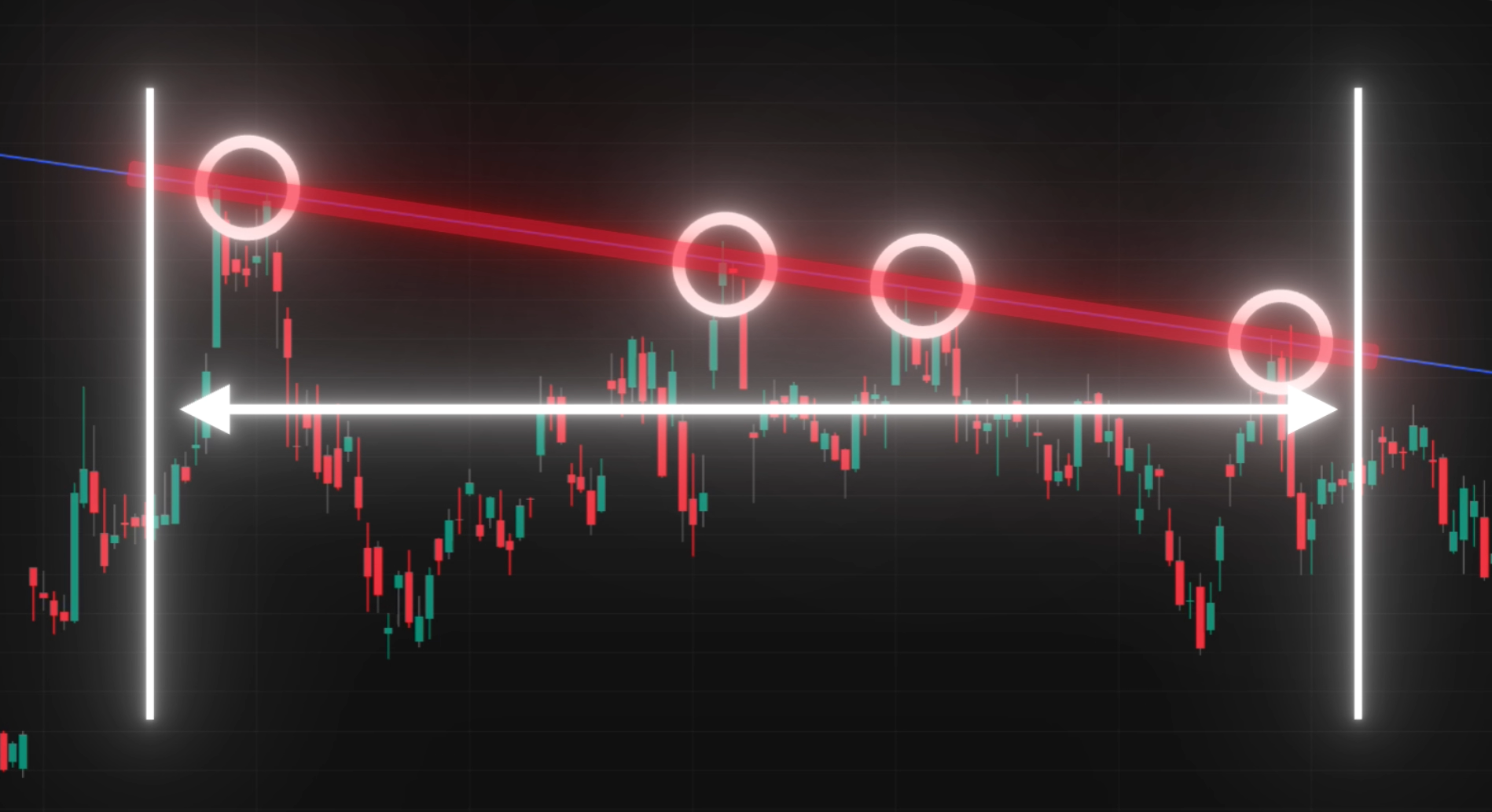
Do not treat a trend line as an exact string, but as a "support/resistance zone." Connecting wicks captures extreme volatility, while connecting bodies reflects dominant market intent. In practice, look for the line that encompasses the most significant pivot points. If a line connects three or more points, its authority as a support or resistance level is significantly higher.
• The Essence of Market Structure
Remember, the line is static, but the market structure is dynamic. A trend line is merely an extension of market sentiment, and its validity depends on whether it reflects a consensus among market participants regarding value.
Step 2: Identifying Momentum Decay and Trend Fatigue
How do we know if a trend is about to reverse? You must watch for subtle shifts in "market structure."
• Structural Pivot Points
In an uptrend, the market continuously creates "Higher Highs" and "Higher Lows." When the price fails to make a new high and begins creating "Lower Highs," this is an early warning signal that the trend is weakening, indicating that buying pressure is no longer sufficient to push prices higher.
• The Importance of the "Close"
This is the most common mistake for beginners. Many rush to enter as soon as the price touches a trend line, which is essentially gambling. The correct approach is to wait for a "clean close" below (or above) the trend line. This close confirms the invalidation of the trend line and marks a definitive shift in sentiment.

Step 3: Precise Execution and Risk Management
The core of this system is probability management.
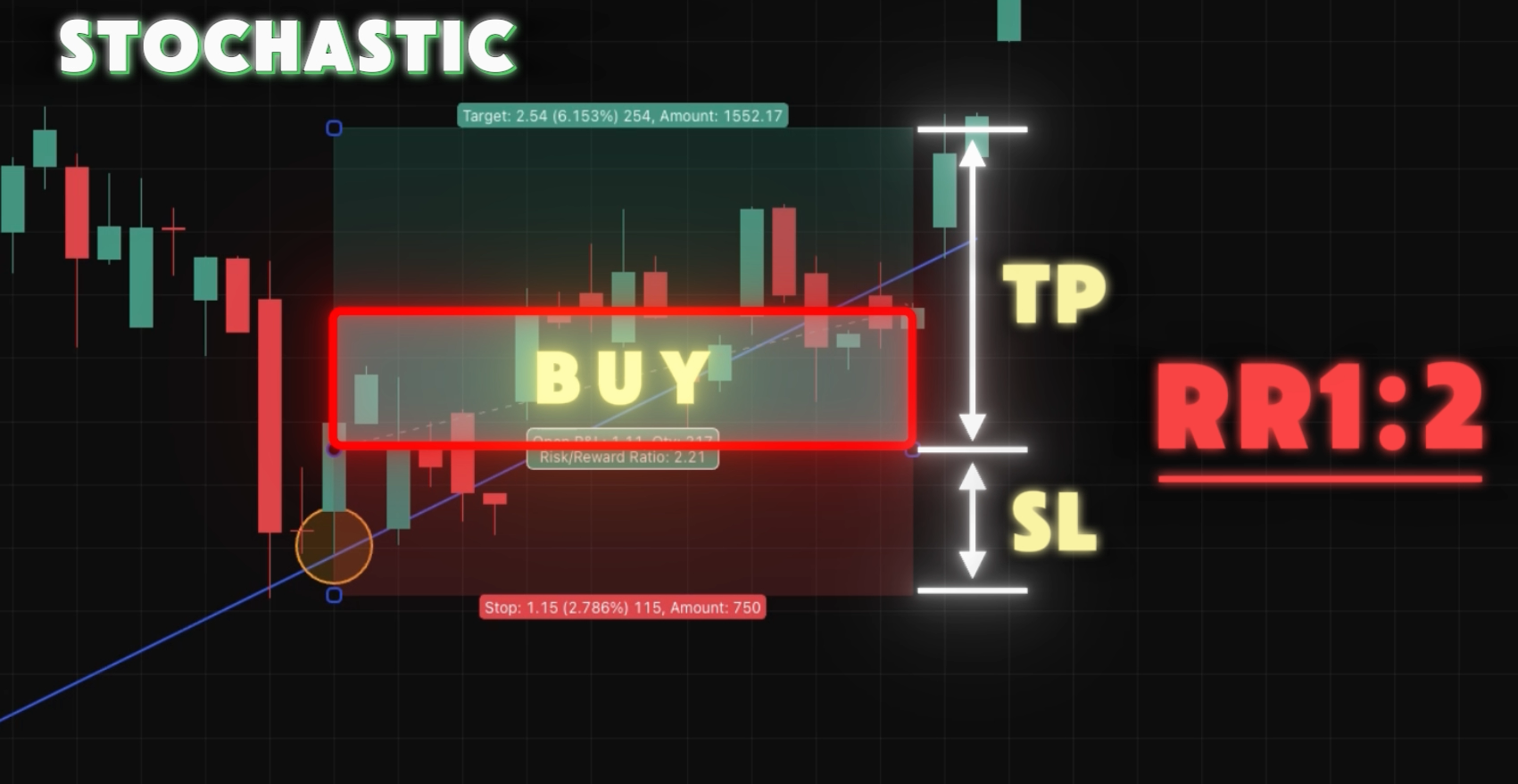
- Entry Logic: When you observe a clear momentum decay accompanied by a valid breakout and closing confirmation, that is your only entry trigger.
- Risk Control: Place your Stop Loss (SL) slightly above the breakout point to avoid being stopped out by short-term market noise.
- Reward Strategy: Set your Take Profit (TP) to twice your risk (2R). This 1:2 reward-to-risk ratio ensures long-term profitability even with a win rate of only 50%, effectively turning trading into a mathematical game.
Conclusion: Converting Knowledge into Professional Capability
Trading success relies on systematic execution, not just strategy. Trend lines are not a holy grail, but they are a microscope for market structure. Through the systematic approach provided here, you will reduce emotional interference and interpret charts objectively and rationally. Trading is a marathon, not a sprint. If you want to continue learning more advanced trading strategies and master professional market analysis, subscribe to our official website today to receive our latest market research and in-depth educational reports.
In an era of information overflow, alpha lies in asymmetric execution, not intuitive consensus.
Skye
SMC Market Analyst
Subscribe to our newsletter
Get the insider insights you need to scale, straight to your inbox.




Decode the Market. Quantify Your Edge.
Elite quantitative models and real-time execution signals. Trade with institutional power.

Copyright © 2026 Hong Kong Arakawa Limited. All rights reserved.


%2C%20Color%3DNegative.svg)